Tour de France Betting: How Team Tactics Shape Individual Outcomes
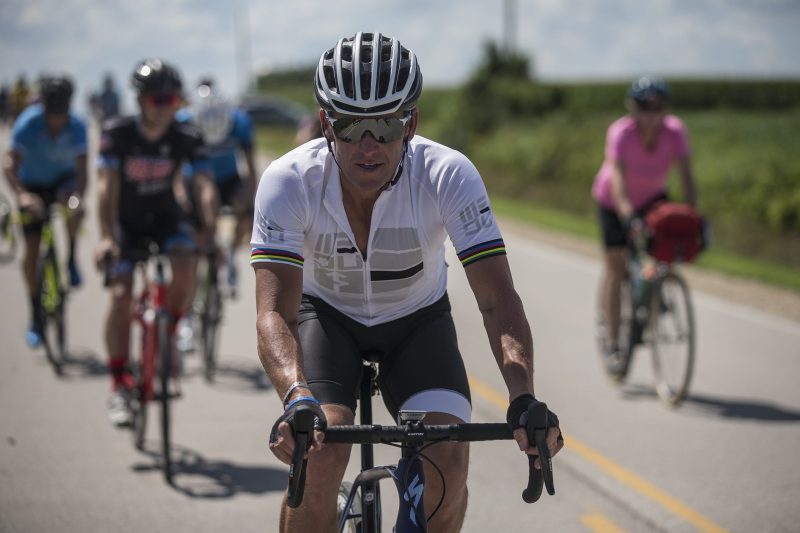
The Tour de France is one of the most complex sporting events in the world — not just physically, but strategically. Although one rider wins the yellow jersey, cycling is fundamentally a team sport, and team tactics shape every stage result.
For bettors, understanding team dynamics is critical. Individual performance cannot be separated from team strategy, terrain design, weather, and race context.
Section 1 — The Basics of Tour de France Betting
What Are the Main Tour de France Betting Markets?
The most common markets include:
- General Classification (GC) Overall winner across the full three-week race.
- Points Classification (Green Jersey) Best sprinter across flat stages and intermediate sprints.
- King of the Mountains (Polka Dot Jersey) Best climber over categorized climbs.
- Young Rider Classification Best rider under age 26.
- Stage Winner Markets Betting on individual daily stage winners.
- Matchups (Head-to-Head) Direct comparison between two riders.
- Team Classification Team with the lowest cumulative time.
- Podium / Top 10 Finishes Long-term consistency-based bets.
Team dynamics influence every one of these markets.
Why Is the Tour So Heavily Influenced by Teamwork?
Riders rely on teammates for:
- Pacing
- Drafting
- Energy conservation
- Breakaway control
- Wind protection
- Tempo setting
- Neutralizing rival attacks
Even elite riders cannot win alone. Teams make or break Tour campaigns.
Section 2 — Team Roles and Betting Impact
What Are the Main Team Roles in the Tour de France?
- Team Leader (GC Contender) Targets the overall classification.
- Domestiques Support riders who fetch bottles, block wind, control pace, and chase attacks.
- Climbing Specialists Support leaders in mountain stages.
- Sprinters Target flat stages and points classification.
- Lead-Out Riders Set up sprinters for the final sprint.
- All-Rounders Versatile riders used across multiple stage types.
Understanding roles clarifies who is racing to win and who is racing to sacrifice.
How Do Domestiques Shape Betting Outcomes?
Domestiques:
- Chase down dangerous attacks
- Protect leaders in crosswinds
- Pace climbs to drop rivals
- Block breakaways
- Create drafting lanes
- Reduce energy expenditure for leaders
Teams with strong domestiques significantly increase their leader’s GC probability.
What Is a Lead-Out Train, and Why Does It Matter?
A lead-out train is a coordinated sprint formation where teammates:
- Line up ahead of the sprinter
- Increase speed progressively
- Peel off one by one
- Deliver the sprinter into the final 200 meters at full speed
A strong train creates:
- Predictable sprint outcomes
- Reliable stage-win candidates
- Higher top-3 probabilities
Identifying elite lead-out teams is essential for sprint betting.
Section 3 — Terrain and Stage-Type Analysis
How Does Terrain Shape Betting Markets?
Major stage types include:
- Flat Stages Favor sprinters and organized lead-out teams.
- Mountain Stages Decide GC outcomes; climbers dominate.
- Time Trials Individual efforts, but team aerodynamics still matter.
- Rolling / Medium Mountain Stages Favor breakaway specialists.
Bettors must match team composition to stage terrain.
Why Do Mountain Stages Matter Most for GC Betting?
Because they produce:
- Large time gaps
- Controlled pacing strategies
- Decisive attacks
- Leader isolation
A team’s mountain depth is the strongest predictor of GC success.
How Do Teams Control Mountain Stages?
Teams do this by:
- Setting a hard tempo early
- Neutralizing breakaways
- Pacing leaders deep into climbs
- Launching attacks to isolate rivals
These tactics matter more than raw talent.
Section 4 — Drafting, Wind, and Pace Control
What Is Drafting, and Why Is It Crucial?
Drafting reduces wind resistance and saves 20–40% energy.
Teams use drafting to:
- Preserve leader energy
- Control peloton speed
- Create crosswind splits
Drafting is the foundation of road racing tactics.
What Are Echelons, and How Do They Affect Betting?
Echelons form in crosswinds when riders align diagonally.
Effects include:
- Peloton splits
- GC contenders are losing minutes
- Stage chaos
Bettors should flag stages with:
- Strong crosswinds
- Open farmland
- Coastal exposure
Echelon days produce major betting value.
Why Do Teams “Block the Road”?
Teams block the peloton when a breakaway threatens GC or points standings.
This influences:
- Breakaway success rates
- Time gaps
- Stage-win probability
- Live betting markets
Peloton control drastically shifts race outcomes.
Section 5 — Breakaways and Betting Implications
What Is a Breakaway?
A breakaway is a group that escapes early to:
- Win mountain points
- Win stages
- Force chases
- Disrupt peloton control
Breakaways win certain stages at high frequency.
Which Riders Excel in Breakaways?
Breakaway specialists typically have:
- Strong climbing ability
- High endurance
- Tactical awareness
- Mixed-terrain skills
- No GC threat
Teams often allow these riders freedom.
How Does Breakaway Control Affect Betting?
Know which teams:
- Always chase
- Rarely chase
- Protect GC at all costs
- Allow long-range attacks
Breakaway stages often offer elite value.
Section 6 — Team Strength and Race Context
How Do Strong Teams Dominate the Tour?
Strong teams:
- Control tempo
- Neutralize attacks
- Protect leaders
- Dictate mountain stages
- Manage recovery
- Suppress rival momentum
Roster depth creates betting edges.
How Does Fatigue Affect Long-Term Bets?
Over three weeks, fatigue causes:
- Reduced climbing power
- Slower sprints
- Increased crashes
- Poor time trials
- Dehydration issues
Strong teams hide fatigue; weak teams cannot.
How Do Injuries Impact Betting?
Riders often continue with:
- Fractures
- Deep bruising
- Muscle damage
Injuries degrade performance quickly — especially in mountains and time trials. Monitoring medical updates is critical.
Section 7 — Common Betting Mistakes
What Do Tour Bettors Get Wrong?
Avoid:
- Betting sprinters on hilly stages
- Ignoring team depth
- Assuming breakaways won’t win
- Treating the Tour like a one-day race
- Underestimating crosswind risk
- Ignoring weather
- Forgetting domestique strength
The Tour is a three-week chess match, not a sprint.
Final Takeaway
Betting the Tour de France requires far more than evaluating individual talent. Team tactics, drafting systems, mountain support, sprint trains, and race context decide who can actually win.
Bettors who understand team roles, terrain, breakaway dynamics, and strategic planning gain an edge in every major market — from stage winners to the yellow jersey.