Betting on Formula E: Understanding Electric Racing’s New Market
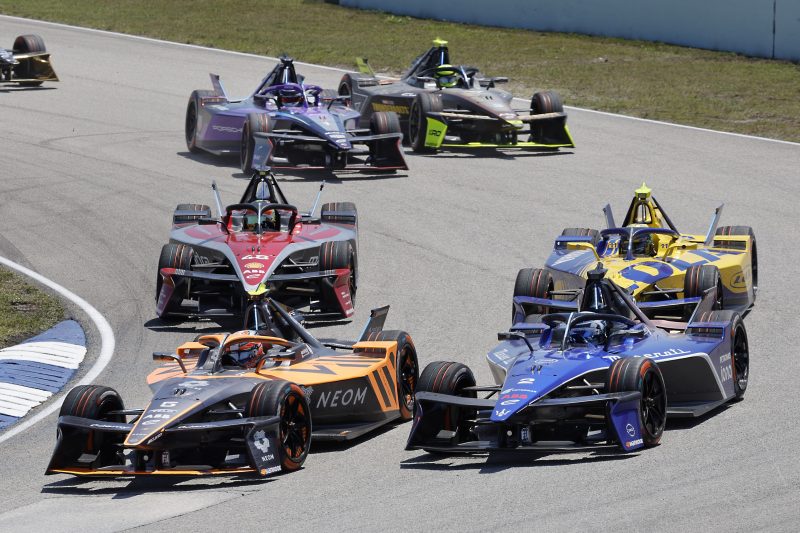
Formula E has carved out a unique space in global motorsports. It’s fast, unpredictable, energy-restricted, and heavily influenced by strategy rather than raw horsepower. For bettors, this creates a fascinating landscape where understanding battery management, qualifying formats, Attack Mode, and track characteristics provides a real edge.
This FAQ-style guide breaks down everything bettors need to know before wagering on Formula E — from car technology and qualifying structure to weather effects, race strategy, and the markets that consistently offer value.
Section 1 — The Basics of Formula E Betting
What Makes Formula E Different From Formula 1 or NASCAR?
Formula E differs in several key ways:
Racing Environment
- Primarily street circuits
- Tight corners, few long straights
- Limited grip and narrow layouts
Car Technology
- Fully electric powertrains
- Battery management and regeneration are critical
- Lower top speed, rapid acceleration
Race Strategy
- Energy conservation shapes every lap
- Attack Mode power boosts
- Fan Boost (earlier seasons)
- Safety cars dramatically impact outcomes
Because so many variables shift lap-by-lap, Formula E races are volatile and offer strong live-betting potential.
Is Formula E Harder to Predict Than Other Motorsports?
Yes — but that unpredictability creates pricing inefficiencies.
- Qualifying position matters less than in Formula 1
- Overtaking is easier due to regen braking
- Street circuits increase safety-car probability
- Energy management produces late-race swings
Sharp bettors exploit markets that the public often misunderstands.
Section 2 — Track Types and Their Betting Impact
How Do Track Layouts Influence Results?
Most Formula E races take place on temporary street circuits featuring:
- Tight turns
- Short straights
- Heavy braking zones
- Uneven surfaces
- Narrow track width
These conditions reward:
- Technical driving
- Smooth energy regeneration
- Acceleration efficiency
- Avoiding contact over outright pace
Tracks that maximize regen opportunities favor strategic drivers.
Which Track Characteristics Matter Most for Betting?
- Surface Grip Low grip increases mistakes and unpredictability.
- Regeneration Zones More regen favors elite energy managers.
- Straights vs. Corners Short straights reduce qualifying advantage.
- Track Temperature Affects battery efficiency and tire grip.
- Street Obstacles Walls increase safety-car probability.
These variables often create value on underdogs.
Section 3 — Energy Management and Race Strategy
Why Is Energy Management So Important?
Formula E cars operate under:
- Fixed battery limits
- Limited recharge opportunities
- Strict deployment rules
Drivers must balance:
- Pace
- Efficiency
- Regeneration
- Attack Mode usage
- Thermal control
Drivers who push early often fade late.
What Is Attack Mode and Why Does It Matter for Betting?
Attack Mode provides a short power boost activated by driving off-line through a designated zone.
Betting implications include:
- Temporary position loss during activation
- Strategic timing determining race outcomes
- Teams maximizing gains through planning
Attack Mode timing is one of the strongest live-betting edges.
What Is Energy Regeneration?
Energy regeneration occurs when:
- Drivers brake efficiently
- Kinetic energy converts back into battery power
Drivers strong in regen often surge late, creating value in outright and podium markets.
How Can Bettors Spot Strong Energy Management?
Look for drivers with:
- Stable lap times
- Minimal battery-temperature warnings
- Consistent braking points
- Limited late-race pace drop-off
- Competitive speed during regen phases
These drivers often outperform odds late.
Section 4 — Qualifying and Race Starts
How Does Formula E Qualifying Work?
Qualifying includes:
- Group stages
- Head-to-head duels
- Single-lap shootouts
This format reduces dominance from top teams.
Does Qualifying Matter as Much as in Formula 1?
Not nearly as much.
Reasons include:
- Easier overtaking
- Energy strategy offsets grid position
- Frequent safety cars compress the field
Race winners frequently start from mid-grid.
Which Drivers Benefit From Mid-Pack Starts?
Drivers who:
- Avoid early collisions
- Navigate traffic cleanly
- Conserve energy early
- Maintain brake and tire temperature
These profiles often deliver value.
Section 5 — Weather and Environmental Impact
How Does Weather Affect Formula E Races?
- Rain: Massive impact on grip and safety cars
- Cold Weather: Reduces battery efficiency
- Heat: Forces power-cutting due to overheating
- Wind: Disrupts regen stability in braking zones
Weather influences Formula E more than combustion-engine racing.
Which Conditions Create High-Variance Races?
- Rain
- Dusty street surfaces
- Rapid temperature changes
- Poorly rubbered circuits
High variance equals opportunity for prepared bettors.
Section 6 — Key Betting Markets
Which Formula E Markets Offer the Best Value?
- Race Winner — Value on elite strategists
- Podium Finish — More consistent than outrights
- Fastest Lap — Often late-race specialists
- Pole Position — Duels format favors underdogs
- Head-to-Head Matchups — Consistency > raw speed
- Safety Car Props — Track-dependent and reliable
- Attack Mode Props — Excellent for live betting
Which Statistics Matter Most?
- Energy efficiency ranking
- Overtakes per race
- Qualifying duel win rate
- Average finish position
- Crash/DNF percentage
- Attack Mode efficiency
- Regeneration success rate
Data interpretation creates long-term edge.
Section 7 — Live Betting and Momentum Patterns
Is Live Betting Profitable in Formula E?
Extremely.
Live edges appear through:
- Broadcast energy readouts
- Attack Mode activation timing
- Safety-car deployment
- Battery temperature warnings
- Sudden pace loss
Viewers often spot problems before sportsbooks react.
Strongest Live-Betting Signals
- Battery temperature spikes
- Late Attack Mode activation
- Rapid lap-time deterioration
- Aggressive regen behavior
- Front-tire lockups
Fast reaction equals value.
Section 8 — Common Formula E Betting Mistakes
What Should Bettors Avoid?
Avoid:
- Treating Formula E like Formula 1
- Overvaluing qualifying
- Ignoring energy strategy
- Forgetting track grip and layout
- Dismissing Attack Mode
- Overlooking battery-temperature issues
- Underestimating weather
- Expecting clean races
Formula E demands its own analytical framework.
Final Takeaway
Formula E is one of the most strategically rich motorsports betting markets. Its blend of energy management, street-circuit chaos, innovative formats, and live strategy shifts creates consistent opportunities for informed bettors.
Those who understand battery behavior, Attack Mode timing, qualifying patterns, and track characteristics gain a significant edge over the casual betting public.