T20 vs Test Cricket Betting: Strategy Shifts Between Formats
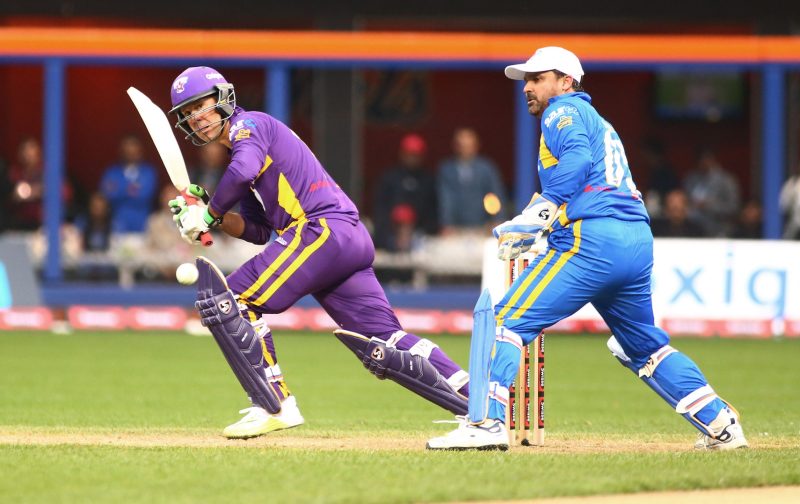
Cricket is one sport with two completely different worlds: T20 and Test cricket. While they share the same field, players, and basic rules, the betting strategies for each format could not be more different. T20 is explosive, fast, and momentum-driven. Test cricket is strategic, attritional, and influenced by conditions more than any other sport.
This FAQ guide breaks down the differences that matter for bettors, explains how markets behave in each format, and highlights the strategic frameworks that maximize your edge depending on which version of cricket you’re betting on.
Format Basics and Why They Matter
How do T20 and Test cricket differ at the structural level?
T20 Cricket
- 20 overs per side
- 3-hour match length
- High scoring
- Big-hitting focus
- Aggressive powerplays
- Role specialization (finishers, death bowlers)
Test Cricket
- Up to 5 days
- Unlimited overs per team
- Deep strategy
- Pitch deterioration
- Endurance and technique matter
- Complex psychological battles
Every element of betting — totals, match winners, props — changes depending on the format.
Which format is more volatile for bettors?
T20 is far more volatile due to:
- Rapid scoring swings
- Over-by-over momentum shifts
- Risk-heavy batting
- Short sample sizes
Test cricket is more predictable long-term because:
- Teams have time to recover
- Conditions evolve gradually
- Skill gaps matter more
But Test matches are also vulnerable to weather and pitch surprises.
T20 Betting Strategy
What matters most in T20 betting?
T20 revolves around:
- Strike rate
- Boundary percentage
- Powerplay dominance
- Death-over finishing
- Matchups (left vs right, pace vs spin)
- Momentum bursts
Teams can go from losing to winning in a single over.
Which stats are most useful in T20?
Batting
- Strike rate (SR)
- Boundary %
- Dot-ball %
- Death-over strike rate
Bowling
- Economy rate
- Death-over economy
- Powerplay wicket percentage
- Matchups (leg-spin vs left-handers, etc.)
Team Stats
- Powerplay runs
- Death-over runs
- Win rate when losing early wickets
These metrics best predict T20 results.
How does the toss influence T20 betting?
Massively.
Chasing teams win more often in many leagues because:
- Dew affects bowling grip
- Second innings targets provide clarity
- Pitch conditions settle
If you’re betting T20, the toss must be part of your evaluation.
Are T20 totals predictable?
Fairly predictable with the right inputs:
- Pitch type
- Boundary size
- Dew conditions
- Batting depth
- Death-over quality
Sharp bettors model scoring by phase (overs 1–6, 7–15, 16–20).
Test Cricket Betting Strategy
What matters most in Test cricket betting?
Test cricket is built around:
- Technique
- Patience
- Swing and seam
- Spin on Day 4 and 5
- Bowling discipline
- Mental endurance
Conditions dictate everything in Tests.
Which stats matter most in Test betting?
Batting
- Average
- Balls faced per dismissal
- Century conversion rate
- Performance against spin / pace
Bowling
- Average
- Strike rate
- Economy
- Pitch-type specialization (spin-friendly, seam-friendly)
Team Factors
- 1st innings average score
- Bowling depth
- Consistency away from home
Test betting is conditions-based above all else.
Why is pitch reading essential in Test cricket?
Because pitches:
- Deteriorate over time
- Behave differently on each day
- Influence batting difficulty
- Determine spinner value
- Shift Test odds dramatically
Day 1–2 = best for batting
Day 3–4 = balanced
Day 5 = spin-dominant, unpredictable
A good pitch read is often more important than any stat.
Is live betting more valuable in Test matches?
Yes — Test matches offer world-class live-betting value because:
- Odds move slowly
- Matches last days
- Collapses happen predictably
- Partnerships build momentum gradually
Test cricket is a game of runs within runs. Bettors who monitor sessions can exploit hidden value.
Side-by-Side Betting Differences
How do you approach match-winner bets in T20 vs Tests?
T20
- Outcome changes rapidly
- Match-winner odds swing sharply
- Momentum indicators matter most
Test Cricket
- Outcome is slower to resolve
- Weather can create draws
- Skill differences matter more
Draw markets are irrelevant in T20 but critical in Test cricket.
What about totals markets?
T20 Totals
Driven by:
- Powerplay scoring
- Death-overs hitting
- Boundary frequency
Test Totals
Driven by:
- Pitch deterioration
- Bowler fatigue
- Weather interruptions
- Session-by-session scoring rates
Totals markets behave completely differently between formats.
Which format offers more upset potential?
- T20: Higher upset frequency — one dominant over can erase skill gaps
- Tests: Fewer upsets — superior teams grind out results over days
Player Prop Differences
How do player props differ between T20 and Tests?
T20 Props
- Most sixes
- Over/under runs
- Over/under wickets
- Man of the match
- Strike rate props
- Boundary-specific props
Test Props
- Century scoring
- Total runs over five days
- Wicket hauls (5-for, 10-for)
- Session-specific props
- Dismissal method props
T20 props are short-term; Test props are long-form and condition-dependent.
Which players thrive in T20 vs Tests?
T20 Specialists
- Power hitters
- Death-over finishers
- Mystery spinners
- Slower-ball specialists
Test Specialists
- Patient batters
- Reverse-swing bowlers
- Classical spinners
- Consistent seamers
The public often makes the mistake of projecting T20 success into Tests.
Common Betting Mistakes
What errors do bettors make when switching between formats?
Avoid:
- Valuing strike rate in Tests
- Valuing average too heavily in T20
- Ignoring pitch deterioration
- Misjudging dew in night T20 matches
- Assuming form carries between formats
- Forgetting how conditions dictate everything
Format context is everything in cricket betting.
Which Format Is Better for Value?
Where do sharp bettors find the biggest edge?
T20
- Micro-markets
- Live overs
- Role-based analysis
- Matchup exploitation
Tests
- Pitch reading
- Weather modeling
- Partnership analysis
- Long-term session betting
Each format offers different advantages depending on betting style.
T20 and Test cricket may share the same rules, but they require completely different betting strategies. T20 rewards bettors who understand matchups, strike rates, and momentum shifts. Test cricket rewards those who analyze pitch behavior, bowler fatigue, and session-by-session dynamics. Master both formats, and you unlock two entirely different pathways to long-term betting success.