Round Props & Finishing Methods: How to Bet the When and How in Combat Sports
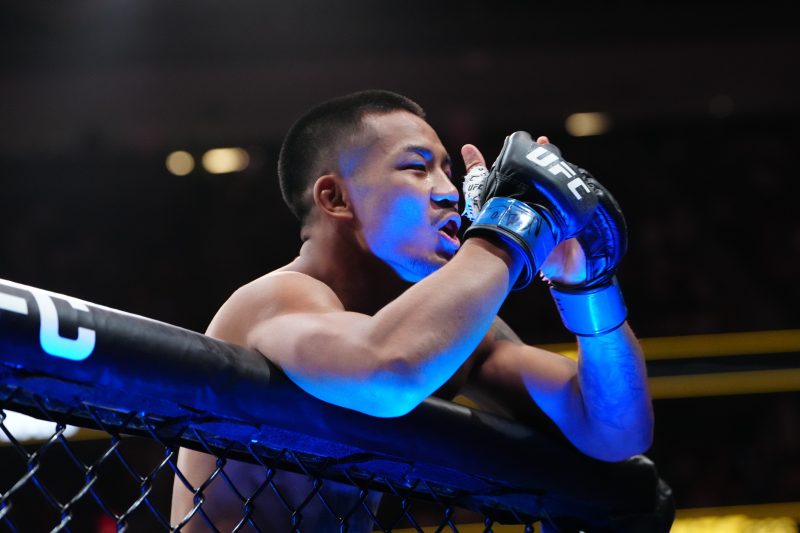
Round props and finishing-method bets have become some of the most popular wagers in combat sports. Bettors no longer focus solely on who wins — they want to predict how and when the fight ends. These props offer higher payouts, more strategic depth, and more opportunities to exploit stylistic matchups.
This FAQ guide breaks down how round props work, what drives finishing methods, how styles influence outcomes, and the data bettors must analyze before placing these wagers in MMA, boxing, Muay Thai, kickboxing, and bare-knuckle events.
The Basics of Round Props
What are round props in combat sports betting?
Round props allow bettors to wager on the exact round or range of rounds in which a fight will end. Instead of betting on who wins, you predict when the finish occurs.
Common round props include:
- fight to end in Round 1
- fight to end in Round 2
- fight to end in Round 3
- fight to end in Rounds 1–2
- fight to go over or under a set number of rounds
- fight to end in Round X by method (KO/Sub/etc.)
Fight length is heavily influenced by fighter style, durability, pace, ruleset, and glove size.
Why do round props offer higher payouts?
Because predicting the exact timing of a finish requires:
- reading tendencies
- understanding stamina
- evaluating power
- interpreting pace
- projecting fight momentum
The narrower the window you pick, the bigger the payout.
Are round props easier in some sports than others?
Yes.
Easiest to predict:
- bare-knuckle boxing
- MMA heavyweight fights
- kickboxing mismatches
- Muay Thai fights with heavy elbow usage
Hardest to predict:
- high-level boxing
- technical kickboxing
- Muay Thai stadium scoring (more decisions)
The rule structure and glove size dramatically affect finishing probability.
Over/Under Round Totals
How do over/under round totals work?
Sportsbooks set a line such as:
- over/under 1.5 rounds
- over/under 2.5 rounds
- over/under 4.5 rounds (boxing)
You bet on whether the fight ends before or after that point.
Example:
Under 1.5 rounds means the fight must end before the halfway mark of Round 2.
How do you evaluate the over/under line?
Look at factors such as:
- fighter durability
- finishing power
- pace and aggression
- defensive habits
- grappling vs striking tendencies
- cardio consistency
Fight tempo often predicts whether the bout will be short or long.
Which fighters are reliable for overs?
Fighters who:
- maintain a slow pace
- use defensive tactics
- rely on counter-striking
- lack one-shot power
- grind opponents rather than swarm
Overs are common in high-level technical boxing and many women’s MMA divisions.
Which fighters are reliable for unders?
Fighters who:
- produce early pressure
- have knockout power
- have weak defense
- take risks early
- tire quickly
- have big grappling gaps (in MMA)
Unders thrive in:
- heavyweight MMA
- mid-level boxing
- bare-knuckle matchups
- striker-vs-grappler MMA fights
Finishing Method Props
What are the main finishing-method bets?
Finishing props let you predict how the fight ends. Common options:
- KO/TKO
- submission (MMA)
- decision
- DQ
- doctor stoppage
- corner stoppage
- draw
- fight ends by knockout, specifically
- fight ends inside the distance
Each sport has different likelihoods for each method.
Which factors influence KO/TKO probability?
- punching or kicking power
- size and weight class
- defensive tendencies
- chin durability
- clinch control
- glove size
- distance-control ability
Bare-knuckle has the highest KO rate.
Boxing sits in the middle.
Kickboxing and Muay Thai vary heavily.
MMA is strongly influenced by the grappling threat.
How do submissions factor into finishing props?
Only relevant in MMA and submission grappling events.
Submission probability rises when:
- striker faces grappler with big ground advantage
- one fighter has poor takedown defense
- fight is likely to hit the mat early
- pace favors grappler’s stamina
- fighter historically loses via submission
Submissions are highly predictable with the right stylistic matchup.
Are decisions easier to predict?
Often, yes.
Decision-heavy fights share traits:
- technical precision
- low finishing power
- solid defense
- cardio consistency
- stylistic stalemates
Some fighters almost exclusively win or lose by decision, which makes for predictable props.
Matchup-Specific Analysis
How do styles affect round and method outcomes?
Some styles force finishes; others prevent them.
Power Strikers
Push pace early; Round 1–2 unders often live.
Volume Strikers
More likely to win decisions unless volume overwhelms.
Clinch Fighters (Muay Thai)
Scores add up slowly; fights often go long unless elbows cause cuts.
Pressure Fighters (boxing/kickboxing)
Produce attritional late-round finishes.
Grapplers (MMA)
Submissions or ground-and-pound stoppages are likely, depending on the opponent.
Counter-Strikers
Slow pace leads to more decisions.
Analyzing style matchups is the core of prop betting.
Do age and decline influence finishing outcomes?
Absolutely.
Aging fighters suffer:
- slower reaction time
- weaker chin
- reduced cardio
- diminished recovery
- predictable tendencies
Older fighters often lose inside the distance, even if they were durable earlier in their careers.
Does stance matter?
Yes — especially in striking sports.
Southpaw vs orthodox matchups create:
- open-lane power shots
- head clashes that lead to cuts
- early knockdowns
- increased round volatility
This can shorten fights in bare-knuckle and boxing.
Round Group Betting
What are grouped round bets?
Books may offer:
- Rounds 1–2
- Rounds 3–4
- Rounds 5–6
- Rounds 7–12 (boxing)
- first half / second half of the fight
These bets offer more flexibility than betting a single round.
When are grouped round bets valuable?
Situations include:
- strong finisher with uncertain timing
- aging fighter is likely to break down mid-fight
- cardio mismatch
- bare-knuckle fights with rapid momentum swings
- pressure fighters who accumulate damage
Grouped rounds reduce risk while maintaining strong payout potential.
Live Round and Method Betting
How can bettors use live betting for round props?
Live markets react slowly to physical decline.
Key signals of an impending finish:
- fighter backing straight up
- hands dropping
- slowed defensive reactions
- wobbly legs
- exhaustion during clinch breaks
- missed counters
If you see a collapse coming before the books adjust, the payout can be enormous.
Why do live KO props often become valuable?
Because fighters absorb damage:
- lose confidence
- move defensively instead of offensively
- suffer cumulative wear
- struggle to maintain guard integrity
Body language matters as much as statistics.
The Role of Conditioning
How does cardio affect round prop outcomes?
Cardio determines:
- which rounds are the fighters dangerous
- whether they fade early
- how likely are late-round finishes to become
- pace maintenance
- recovery after grappling or clinching
Cardio edges often decide rounds 3–5 in MMA and rounds 7–12 in boxing.
What indicates a fighter is losing cardio?
- mouth breathing
- inability to circle away
- reliance on clinch
- reduced output
- slower combinations
- poor posture in the corner
Cardio collapse is the most reliable live-betting finishing signal.
Common Prop Betting Mistakes
What mistakes should bettors avoid?
Avoid:
- betting on highlights instead of patterns
- ignoring durability and chin history
- underestimating cardio mismatches
- betting “KO or sub” without understanding style
- chasing long-shot exact-round bets blindly
- ignoring rule-set differences
Smart prop betting comes from matchup reading, not guesswork.
Understanding round props and finishing methods allows bettors to predict not just who wins, but how and when it happens — unlocking some of the most profitable opportunities in combat-sports wagering. When you combine stylistic analysis with cardio patterns, durability profiles, pacing tendencies, and live-reading skills, you can consistently beat the market on round-specific props.