How to Read Fighter Stats: Strikes, Takedowns, and Fight IQ
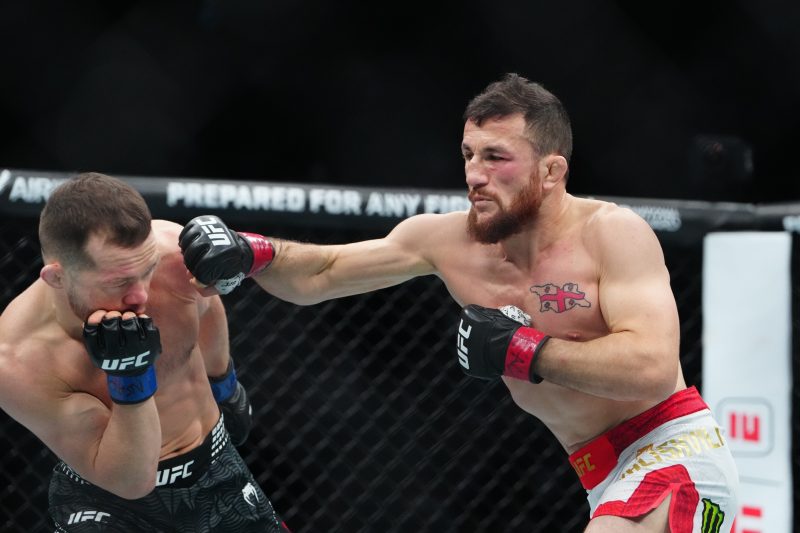
Modern combat sports betting is increasingly fueled by data. Whether you’re betting on MMA, boxing, kickboxing, or bare-knuckle events, fighter statistics help you understand how athletes perform under pressure, how their styles interact, and where hidden edges exist. But statistics only matter when you know how to interpret them properly — raw numbers without context are one of the biggest traps in fight betting.
This guide breaks down the essential stats bettors must understand, how they relate to styles and outcomes, and how to interpret fighter intelligence, adaptability, and decision-making through the lens of data and film study.
Striking Stats: Power, Volume, and Accuracy
What are the key striking stats bettors should study?
Across boxing, MMA, and kick-based sports, the core striking stats include:
- significant strikes landed per minute (SLpM)
- significant strike accuracy
- strikes absorbed per minute (SApM)
- strike defense percentage
- total strikes attempted
- power strike percentage
- jab-to-power ratio
- knockdowns per 15 minutes (MMA)
- distance striking accuracy
These numbers help forecast pace, power, efficiency, and durability.
What does “significant strikes” really mean?
In MMA, a “significant strike” is defined as any strike with meaningful impact, such as:
- jabs with intent
- power punches
- kicks
- elbows
- knees
In boxing, the equivalent distinction is usually between jabs vs power punches, but there’s no unified metric across all promotions.
Which striking stats matter most for predicting outcomes?
- Strikes Landed Per Minute (SLpM) High-volume fighters win more rounds.
- Strike Differential (SLpM – SApM) Better predictor than accuracy, because volume minus absorption shows dominance.
- Power Strike Efficiency Pure knockout threats often have lower volume but high accuracy.
- Strike Defense Percentage: Fighters who avoid damage maintain conditioning into late rounds.
How do you identify knockout threats using stats?
Look for:
- high power-strike ratio
- above-average knockdowns per 15 minutes
- low strike volume but high accuracy
- strong finishing rate
- opponent’s weak chin history
- poor defensive stats on the opponent’s side
Power + accuracy + timing = KO potential.
Takedown and Grappling Stats
Which grappling stats matter most in MMA?
Key metrics include:
- takedowns per 15 minutes
- takedown accuracy
- takedown defense percentage
- control time
- reversals
- submission attempts
- ground strikes landed
- sweeps and positional advances
Grappling stats reveal who controls the pace and location of the fight.
Is takedown accuracy important?
Only with context.
A fighter might have low accuracy because:
- they shoot against elite wrestlers
- they attempt high-volume chain wrestling
- they rely on cage-clinch trips rather than power doubles
Instead, look at takedown success in specific matchups.
How do control-time stats help betting?
Control time reveals:
- ability to maintain top position
- round-winning strategy
- cardio under pressure
- ability to neutralize dangerous strikers
Fighters with high control percentages consistently win decisions.
Which stats predict submission potential?
- submission attempts per 15 minutes
- average submission time
- rear-naked choke frequency
- time spent in dominant positions
- opponent’s submission-defense record
Submissions rely more on positional dominance than wild attempts.
Defensive Metrics
Why is defense often more predictive than offense?
Because fighters who avoid damage:
- preserve stamina
- avoid knockdowns
- maintain composure
- take over late in fights
- absorb fewer momentum-shifting moments
A fighter with mediocre offense but excellent defense often wins decisions.
What are the main defensive metrics to study?
- strike defense percentage
- head-movement efficiency (film study)
- footwork patterns
- takedown defense
- guard recovery
- time spent against the cage/fence
- ability to escape bad positions
Stats show trends, but film provides clarity.
How does takedown defense affect betting?
A fighter with high takedown defense:
- keeps the fight standing
- avoids worst-case matchups
- preserves striking advantage
- prevents control-time accumulation
These fighters are often mispriced by the market.
Tempo, Conditioning, and Work Rate
How do pace and conditioning show up in stats?
Pace-driven fighters show:
- high SLpM
- consistent strike volume by round
- low time spent backing up
- maintained output during grappling
Conditioning appears in:
- round-by-round strike totals
- third-round volume vs round one
- late-fight takedown attempts
- ability to push clinch pace
Fatigue is a major live-betting signal.
What stat reveals gas-tank issues?
Watch for:
- steep volume drops after Round 1
- excessive clinching late
- slowed footwork
- increased strikes absorbed late
- poor takedown success after early attempts
Consistency matters more than peak output.
Fight IQ: The Intangible Metric
What is “fight IQ” in betting terms?
Fight IQ is the ability to:
- stick to a game plan
- avoid bad exchanges
- manage distance
- make mid-fight adjustments
- use energy efficiently
- exploit stylistic weaknesses
- avoid ego-driven decisions
High fight IQ can overcome physical disadvantages.
How can bettors evaluate fight IQ?
Indicators include:
- Round-to-round adjustments
- Disciplined shot selection
- Smart pacing
- Defensive decision-making
- Corner communication and execution
Which stats correlate with high fight IQ?
Indirect indicators:
- low strikes absorbed per minute
- high strike defense
- efficient takedown attempts
- strong round-three output
- few reckless exchanges
- suppressed opponent accuracy
These point to intelligent risk management.
Matchup Analysis Through Stats
Why must stats always be evaluated in context?
Stats come from:
- different opponents
- different rule sets
- different weight classes
- different pacing environments
- different cage or ring sizes
Raw numbers without context mislead.
What are the biggest statistical traps?
Avoid:
- High accuracy vs weak competition
- High takedown success vs non-wrestlers
- Small sample sizes
- Ignoring stylistic clashes
Stats must match the matchup.
Do stats help identify upset potential?
Yes. Look for:
- durability edges
- pace advantages
- superior defense
- control-time superiority
- strong strike differential
- elite takedown defense
These are often ignored by casual bettors.
Live Betting and In-Fight Stat Use
How do live stats help bettors?
Live metrics reveal:
- declining accuracy
- rising damage absorbed
- fatigue indicators
- takedown failure
- output changes
When stats shift, momentum follows.
What are the best live-betting statistical signals?
Watch for:
- output drops after grappling
- sudden defensive lapses
- accuracy spikes from the opponent
- failed takedown chains
- stance switches from injury
- corner urgency
Stats plus body language beat the market.
Common Mistakes When Using Fighter Stats
What mistakes should bettors avoid?
Avoid:
- treating stats as the absolute truth
- ignoring matchup dynamics
- valuing volume without defense
- trusting inflated accuracy
- underrating grappling control
- using low-quality regional data
- assuming past KOs guarantee future KOs
Stats guide predictions — they don’t replace analysis.
Reading fighter stats is one of the most powerful tools in combat sports betting, but only when paired with film study and style analysis. Striking metrics reveal pace and power, grappling stats expose positional dominance, defensive numbers predict longevity, and fight IQ explains how everything holds together under pressure.
Understand the numbers, connect them to styles, and apply them to matchups — and fighter statistics become one of the most reliable betting edges available.