8 Key Takeaways From the Division Series That Could Decide the Pennant

Summary
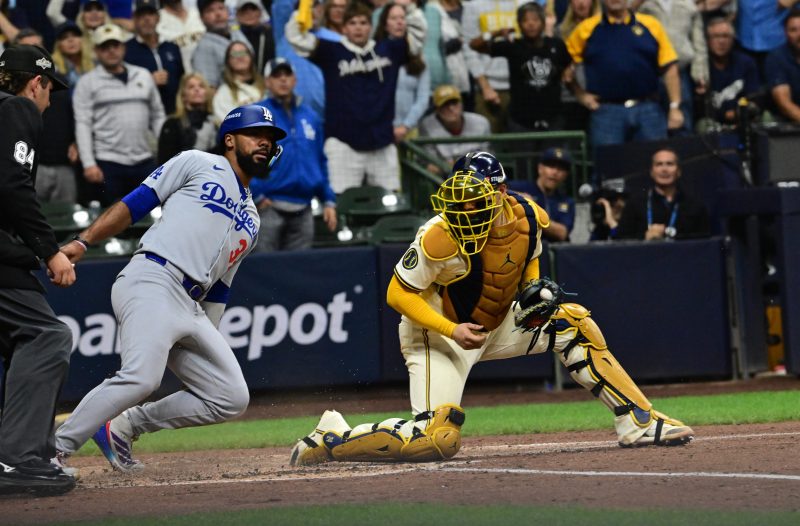
The Division Series round saw Los Angeles, Milwaukee, Toronto, and Seattle advance, but their paths were distinct. The Dodgers’ pitching was suffocating, with dominant starters and a locked-in bullpen, though their star hitter Shohei Ohtani is in a surprising slump. Milwaukee’s bullpen is a dangerous weapon, expertly deployed in high-leverage situations, and their offense peaks by scoring early runs to leverage that pitching advantage.
Toronto is powered by a volcanic Vladimir Guerrero Jr. and a formidable home-field advantage at Rogers Centre, where their offense becomes nearly unstoppable. Conversely, Seattle’s identity is built around their pitcher-friendly T-Mobile Park, which turns games into low-scoring duels perfectly suited for their elite pitching staff, even as their own offense remains volatile. The Championship Series will hinge on which team can best exploit these specific matchup advantages.
The Division Series round is in the books—and if you’re betting based on names, not narratives, you’re already behind.
Los Angeles, Milwaukee, Toronto, and Seattle are moving on—but how they got here is where the real story lives. One team caught fire. One survived a scare. Another barely broke a sweat.
Now comes the hard part: figuring out who’s real and who’s next to fall.
Conventional wisdom says the Dodgers’ star power and the Blue Jays’ offensive firepower make them the favorites. The sharps are whispering about Seattle’s pitching and Milwaukee’s bullpen wizardry as the dark horses nobody wants to face.
We just watched four series that revealed everything you need to know about the Championship Series matchups. I’ve got two crucial takeaways for each team still standing. Let’s get into it.
Los Angeles Dodgers
Key Takeaway #1: This Pitching Staff Isn’t Just Good—It’s Suffocating
The Dodgers just held the Phillies—a lineup that feasted on fastballs all season—to a .195 batting average and made them look like they were swinging broomsticks. Tyler Glasnow, Blake Snell, and Yoshinobu Yamamoto combined for 18.2 innings of pure dominance: 3 earned runs, 22 strikeouts, and the kind of command that makes opposing hitters start second-guessing their entire approach at the plate.
But here’s what should terrify the Brewers: the bullpen that everyone questioned in September just posted a 1.35 ERA when it mattered most. Roki Sasaki looked like prime Mariano Rivera with 5 scoreless frames and 2 saves, stranding every inherited runner he was given. Alex Vesia and Emmet Sheehan turned high-leverage situations into routine outs. The bullpen’s locked in at exactly the right time. For the Brewers, that’s a problem.
Watch for: The Brewers work counts and wait for mistakes—but the problem is, the Dodgers aren’t making many. If LA’s starters can consistently reach the 6th with a lead, this could turn into a shockingly short series.
Key Takeaway #2: Shohei Ohtani Is Ice Cold—But Don’t Expect It to Last
Let’s address the uncomfortable truth: Shohei Ohtani went 1-for-18 with six strikeouts against Philadelphia—and it didn’t look like bad luck. It looked like a guy overthinking.
No extra-base hits. No RBIs.
The kind of slump that would get just about anyone else dropped in the lineup—anyone but Ohtani. Here’s the thing, though: regression to the mean is real, and Ohtani doesn’t usually stay this cold for this long a stretch. The Dodgers won this series with their best hitter missing in action, which means they’ve still got a nuclear weapon waiting to detonate.
Watch for: If Ohtani heats up in Game 1 or 2, the Brewers are in deep trouble—and the Dodgers start looking downright unstoppable.
Milwaukee Brewers
Key Takeaway #1: Their Bullpen Is A Dangerous Weapon
Forget everything you think you know about “bullpen games” being desperate, white-flag moves. The Brewers just turned it into an art form against Chicago, and it’s the reason they’re still playing in October. In Game 5—an elimination game, mind you—Milwaukee trotted out Tobias Megill as an opener, then deployed Misiorowskil, Ashby, Patrick, and Uribe like a perfectly timed relay race. The result? One run, eight strikeouts, and the Cubs’ bats looked completely overmatched.
The secret sauce is Milwaukee’s high-octane middle relievers. When Misiorowski and Ashby are rested and available, this bullpen doesn’t just bridge to the closer—it becomes the closer for three or four innings.
Watch for: How the Dodgers’ patient, grind-it-out offense handles this bullpen carousel. LA works counts and waits for mistakes, but Milwaukee’s high-velocity bridge arms don’t make many.
Key Takeaway #2: Their Offense Peaks in the First Three Innings
Here’s a stat that should make Dodgers fans nervous: through the first four games of the NLDS, 45% of all Brewers runs were scored in the first inning. Milwaukee’s figured out how October works—take early control, then let elite pitching squeeze the life out of the game. In Game 5, they did it again—jumped on the Cubs early and never let them breathe.
This isn’t just randomness with this team. The Brewers are hunting first-inning mistakes, especially against teams that lean on their bullpen or start someone on short rest.
Watch for: In this series, the first two innings could decide everything. If Milwaukee jumps on LA early—even just one mistake—the tone of the game shifts fast. The Dodgers’ offense has been feast-or-famine with runners on base, and trying to come from behind against a rested Milwaukee bullpen is nobody’s idea of a winning formula.
Toronto Blue Jays
Key Takeaway #1: Vladimir Guerrero Jr. Isn’t Just Hot—He’s Volcanic
Nine RBIs in four games. A grand slam that broke Game 1 wide open before the Yankees even blinked. Vlad Jr. hasn’t just been hot—he’s been dominant, stringing together multi-hit nights like it’s effortless.
Right now, he’s not just locked in—he’s the guy no one wants to pitch to.
The real threat with the Jays? Pitch around Vlad, and suddenly, Lukes, Kirk, and Clement are getting fastballs they can do damage with. When they challenge Vladdy, he makes them pay with authority. The Blue Jays’ entire offensive ecosystem revolves around whether you’re brave enough to throw strikes to their best hitter, and right now, there’s no good answer.
Watch for: How Seattle approaches him with runners in scoring position. The Mariners have elite starting pitching that won’t be intimidated, but if they start living on the edges of the plate trying to avoid damage, Toronto’s 4-5-6 hitters will make them regret it.
Key Takeaway #2: No One’s Using Home Field Better Than They Are
They had the second-best home record in all of baseball and carried that momentum straight into their series with the Yankees. Twenty-three runs in two games at Rogers Centre—ten in Game 1, thirteen in Game 2.
The kind of offensive firepower that doesn’t just win games—it embarrasses the opposition as the Yankees found out quickly. Rogers Centre amplifies their contact-and-power profile in ways that genuinely matter.
The Blue Jays hit the ball hard, find gaps, and suddenly every line drive that would be a routine out elsewhere becomes an extra-base hit. Their home swagger turns a solid lineup into something borderline unstoppable.
Watch for: The home/road split matters more than usual in this series. If Toronto holds serve at Rogers Centre and grabs just one in Seattle, they’re suddenly in control. Oh—and let’s not forget: T-Mobile Park is often called the Blue Jays’ “second home” thanks to its proximity to Vancouver. If the Mariners don’t block Canadian ticket sales, expect waves of Jays fans to flood the stands—turning road games into something that sounds a lot like home.
Seattle Mariners
Key Takeaway #1: T-Mobile Park Turns Every Game Into a Pitcher’s Duel
Three games at T-Mobile Park in the ALDS. All three finished 3–2. Two went to extra innings. Now compare that to the two games in Detroit: 8–4 and 9–3, averaging 12 runs per game. This isn’t a coincidence or small-sample noise—it’s Seattle’s identity, distilled into a home-field advantage that keeps balls inside the park.
The Mariners aren’t just benefiting from a pitcher-friendly park—they’ve built their entire roster around exploiting it. They lean on elite starting pitching: George Kirby, Luis Castillo, Logan Gilbert—all arms that keep the ball in the yard.
They’ve got a bullpen designed to shorten games, anchored by Andrés Muñoz (arguably the best single-inning weapon in baseball) and Matt Brash, who brings wipeout stuff over multiple outs. And they know the formula: keep it close through six innings at home, and they’re winning more often than not.
Watch for: How Toronto’s contact-first approach handles the Seattle environment. The Blue Jays thrive on hard contact, finding gaps and turning into extra bases, but T-Mobile Park is specifically designed to kill that style of offense. If Seattle steals one early in Toronto, they’ll take full control of the series—because now Toronto has to win multiple games in an environment that works against everything they do well.
Key Takeaway #2: Their Volatile Offense Or Lack Thereof
Look at Seattle’s scoring across five games against Detroit: 2, 3, 8, 3, 3. Four of those five games, they scored three runs or fewer. The lone explosion—eight runs in Game 3—came in Detroit’s hitter-friendly park with three home runs doing all the heavy lifting. Back at T-Mobile, they settled right back into the 2-3 run comfort zone despite putting plenty of traffic on the basepaths.
Their offense can deliver in bursts—Raleigh goes deep in a big spot, Julio connects on a mistake pitch, Polanco ambushes a first-pitch fastball—but there are no sustained, multi-hit rallies that grind opposing pitchers into dust. It’s boom-or-barely, and they’ve made peace with that because their pitching staff gives them the luxury of winning 3-2 games.
Watch for: Whether Toronto’s pitchers can keep Seattle in that 2-3 run box at T-Mobile Park. If the Mariners are stuck manufacturing runs with singles and stolen bases instead of getting the timely homer, they become significantly more beatable. But if Raleigh or Julio catches one pitch per game and turns it into a two-run shot? That might be all Seattle needs, and suddenly Toronto’s offensive firepower becomes irrelevant when they’re only scoring two runs themselves in that ballpark.
The Bottom Line
Here’s what the Division Series just taught us: the teams that advance won’t be the ones with the best rosters on paper—they’ll be the ones that can exploit specific matchup advantages while avoiding their own fatal flaws. The Dodgers have the best pitching staff left, but they’re one Ohtani slump away from offensive mediocrity.
Milwaukee turned bullpen games into a legitimate strategic advantage, but they need early runs to make it work.
Toronto is a completely different team at home versus on the road, which means this ALCS might come down to a single stolen road game. And Seattle’s entire identity is built around T-Mobile Park suppressing offense, which works until it doesn’t.
But here’s the question that matters: Which of these four teams has the one X-factor—the breakout performance, the strategic wrinkle, the home-field momentum—that nobody’s accounting for yet?
Because the Division Series just proved that October baseball doesn’t care about your regular-season resume. It cares about who’s hot right now and who can adjust when the obvious game plan stops working.