Betting on Extreme Sports: Surfing, Skateboarding & Snowboarding Explained
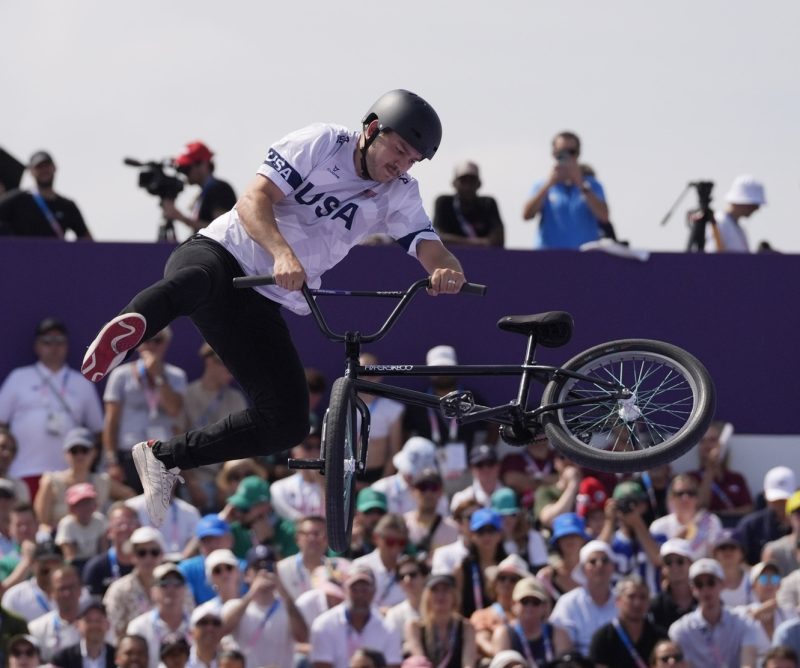
Extreme sports have become a growing niche in the betting world, with major competitions in surfing, skateboarding, and snowboarding gaining mainstream visibility. Events like the World Surf League (WSL) Championship Tour, X Games, DEW Tour, and Olympic competitions now offer structured formats, clear judging criteria, and increasingly sophisticated betting markets.
This FAQ-based guide explains how these sports are scored, what bet types are available, how to evaluate athletes, and how to apply data-driven prediction methods to sports that have historically seemed subjective and unpredictable.
Extreme Sports Betting Basics
Why is betting on extreme sports becoming more popular?
Several reasons:
- Global broadcast coverage has expanded
- Judging criteria are now standardized
- Top athletes have consistent statistical patterns
- Bookmakers have opened new markets
- Fans crave emerging, niche sports
As competitions become more structured, betting becomes more viable.
Are these sports harder to predict than traditional sports?
Not necessarily — once you understand:
- scoring systems
- environmental conditions
- athlete consistency
- risk–reward decisions
- heat and run formats
Extreme sports have patterns — many bettors simply don’t know how to read them yet.
Surfing Betting
How does surfing scoring work?
Surfing uses a two-wave scoring system. Each surfer’s best two waves are scored from 0.1 to 10 based on:
- difficulty
- innovation
- variety
- speed
- flow
- power
- completion
The final score is the sum of the best two waves (maximum possible = 20).
What are the main surfing betting markets?
- head-to-head matchup (heat winner)
- event winner
- podium finish
- highest single-wave score
- highest heat total
- over/under on heat score
- prop bets (e.g., landing an aerial maneuver)
Surfing betting focuses heavily on conditions and matchup styles.
What factors influence surfing results?
- Wave Quality Predicts scoring opportunity more than anything.
- Priority Rules: Control of the lineup affects wave choice.
- Athlete Style Power surfers perform best in big conditions; aerial surfers dominate smaller waves.
- Condition:s Wind, tide, swell direction, interval — all change wave quality.
- Heat Draw Some surfers thrive in pressure; others struggle in tactical heats.
How important is local knowledge?
Extremely.
Surfers familiar with:
- reef breaks
- point breaks
- beach breaks
Often outperform visitors. At locations like Teahupo’o, Pipeline, or Bells Beach, local knowledge is a major edge.
Is surfing predictable for bettors?
Yes — if you focus on:
- past performance at the same break
- heat-by-heat consistency
- style fits with conditions
- priority management
- physical readiness
The public overreacts to highlight videos, not real competitive tendencies.
Skateboarding Betting
Which competitions allow betting?
- X Games
- SLS (Street League Skateboarding)
- Dew Tour
- World Skate / Olympic qualifiers
- Red Bull events
Skateboarding events use structured, judge-based scoring — ideal for betting.
How does skateboarding scoring work?
Two formats dominate:
Street Competitions
Riders perform tricks on rails, stairs, ledges, and gaps.
Scoring factors:
- difficulty
- execution
- originality
- style
- landing quality
- speed and flow
Park / Bowl Competitions
Riders perform lines inside a bowl.
Scoring evaluates:
- amplitude
- trick variety
- run flow
- clean execution
- risk factor
What stat patterns matter in skateboarding?
- Consistency Score – how often riders land tricks in finals
- Trick Difficulty Index – elite vs safe trick selection
- Best Trick Capability – decisive in SLS scoring systems
- Injury History – minor injuries severely reduce landing probability
Are veteran skateboarders more predictable?
Yes. Experience helps:
- pace runs
- manage competition nerves
- avoid overly risky trick selection
- adjust trick list mid-run
New pros tend to boom-or-bust — fun to watch, harder to bet.
Snowboarding Betting
Which snowboarding events offer betting markets?
- Slopestyle
- Halfpipe
- Big Air
- SBX (Snowboard Cross)
- Olympic qualifiers
- X Games
Each discipline has different scoring patterns.
How does snowboarding scoring work?
Judges evaluate:
- trick difficulty
- execution
- landing quality
- amplitude
- variety
- creativity
- technicality
Runs are often judged on overall impression rather than trick count.
What drives snowboarding results?
- Trick Selection Strategy – safe runs vs high-risk runs
- Landing Consistency – frequent falls destroy scores
- Weather Conditions – wind impacts spins; snow quality affects speed
- Confidence and Flow – momentum matters between runs
Are Big Air events easier to bet than Slopestyle?
Often yes, because:
- fewer attempts per rider
- clearer trick selection patterns
- less subjective scoring
- reliance on signature tricks
Slopestyle involves more features, increasing error risk.
Event Formats & Strategic Edge
How do formats influence betting across all three sports?
- Heat-Based Events (Surfing) – strategy and priority matter
- Run-Based Events (Skate/Snow) – consistency is king
- Single-Trick / Best-Trick Events – high variance but clearer specialties
- Tournament-Style Structures – create head-to-head betting value
How does judging bias affect extreme sports betting?
Judging bias is real but predictable:
- Some judges reward risk
- Others reward cleanliness
- Certain nationalities score higher historically
- Home athletes may get scoring bumps
- Final runs can receive “anchor scores.”
Knowing judgment tendencies adds edge.
Do young athletes score better or worse?
Younger athletes:
- attempt higher-risk tricks
- excel in progression events
- have fewer competition nerves
Veterans:
- more consistent
- better strategic choices
- lower ceiling but higher floor
Matchup style matters more than age.
Live Betting in Extreme Sports
Is live betting profitable in these sports?
Very. Live bettors watch:
- missed tricks
- momentum swings
- changing conditions
- scoring trends
- athlete composure
In surfing, a swell shift can instantly change odds.
In skate and snow, a single fall changes everything.
What are the strongest live betting indicators?
Surfing
- wave quality improving
- opponent misusing priority
- surfer finding early rhythm
- body language on paddle-back
Skateboarding
- clean warm-up landings
- increasing or decreasing trick difficulty
- visible nerves
Snowboarding
- landing confidence
- speed issues
- wind gusts affecting spin tricks
Live betting rewards sharp interpretation.
Common Mistakes in Extreme Sports Betting
What mistakes do bettors make?
Avoid:
- overvaluing highlight videos
- ignoring weather and conditions
- assuming judging is random
- misjudging athlete consistency
- underrating injury recovery
- betting names instead of performance profiles
- ignoring location-based skill (reef breaks, bowls, halfpipes)
Context matters more in extreme sports than most bettors realize.
Extreme sports betting — surfing, skateboarding, and snowboarding — may seem unpredictable, but the underlying systems are structured, judge-driven, and pattern-heavy. When you understand scoring, trick selection, conditions, heat formats, and athlete tendencies, these sports become highly analyzable and offer edges that casual bettors routinely miss.