What is Sports Betting? A Beginner’s Guide
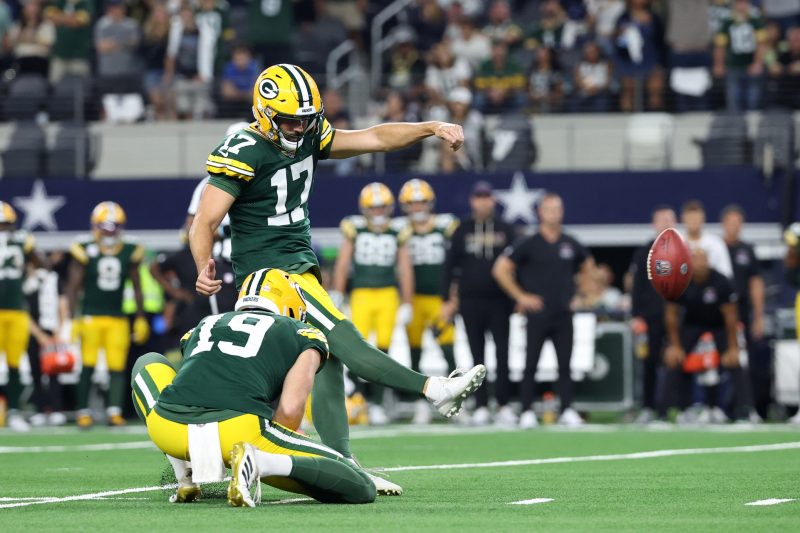
There is no better feeling in sports than putting your money where your mouth is and profiting from it. That is why sports betting has exploded in popularity over the last several years. Just as traditional sports have taken a backseat to their more exciting counterparts, many sports fans have found that placing a bet on a game and cheering it on is more exhilarating than watching their favorite team play.
However, some sports fans have yet to indulge themselves in this regard. It can be quite daunting for newbies to understand the ins and outs of sports betting, so this guide will look to explain the basics when it comes to betting on sports.
Spread Betting
Spread betting is the most common type of betting. All teams are not created equal, so the oddsmakers introduced spread betting decades ago in order to try and encourage more equitable betting action.
You might have heard a friend or a media member say “I like the Philadelphia Eagles +3.5 against the Dallas Cowboys”. In this case, the Eagles are a three-and-a-half point underdog (+3.5). That means the Eagles don’t need to win the game to win the bet, they just need to be within three points of the Cowboys when the final whistle blows. The Eagles could lose the game 27-24, but bettors who took Philly to cover the spread would still be celebrating the final result. Conversely, Dallas would be -3.5 in this hypothetical game, so the Cowboys would need to win by AT LEAST four points in order to cover the spread.
That brings us to sports betting lingo. Typically, if a point spread bet is a winner, bettors refer to the team as having covered the spread. If a point spread bet is a loser, bettors tend to say that the team failed to cover the spread. Additionally, if you are betting on the underdog in this situation, most bettors say that they are “getting” or “taking” the team and the points. Meanwhile, those that bet on the favorite state that they are “giving” or “laying” the points.
Moneyline Betting
The most traditional type of wager is the moneyline bet. This is simply a bet on a team or an individual to win or lose. There are no point spreads to worry about with moneyline betting, but this also means that the betting odds can vary drastically from game to game. Whereas most spread betting has a similar payout whether you bet on the favorite or the underdog, there can be dramatic differences in the payouts for favorites and underdogs when it comes to moneyline betting.
College football is a great example when it comes to explaining moneyline betting. There are massive disparities between different college football teams, so you can see some pretty hefty moneylines compared to professional sports.
Let’s say the Georgia Bulldogs were taking on a mid-tier team like the Wake Forest Demon Deacons. Georgia would be a sizable favorite in this game, so sportsbooks might set moneyline odds of the Bulldogs -5000 or 1/50. If that were the case, a bettor would have to wager $50 on Georgia to win back $1 in profit. Since it is highly unlikely that Wake Forest would be able to knock off Georgia, there is not much return on the initial bet. However, in this case Wake Forest might be +2000 or 20/1. If the Demon Deacons were to pull off a shocking victory, a $5 bet would return a whopping $100 profit at this price.
You won’t find these types of moneyline odds in professional sports though. Teams are much more evenly matched across all major pro sports, and even the worst team in a league won’t be a huge underdog against a strong opponent.
Over/Under (Total) Betting
The explosion of offense in sports like football and basketball has led to an increase in over/under or total betting. This type of betting involves betting on whether there will be more or less than a specified number of runs, goals, or points in a game. Over/under betting is pretty easy to understand for points with more scoring, but it can be tricky for lower scoring sports.
In soccer or hockey, there might be a game with two different numbers next to the total. For instance, say Real Madrid is playing Barcelona and the oddsmakers set the over/under as 2.5 and 3. This means that half your bet will be on there being more or less than 2.5 goals, while the other half of your bet will be on there being more or less than 3 goals. If the match has exactly three goals in it, then that portion of your bet is considered a push, and you get your money back.
A push is another term that you hear often in the world of sports betting. If you bet Over 9 in a baseball game between the Texas Rangers and the Seattle Mariners, and the Rangers end up beating the Mariners 6-3, then that is considered a push. Pushes can also happen with spread betting, but keep in mind that there are different rules in certain sports when overtime or extra time comes into the equation.
Futures Betting
If you are a diehard fan of a certain sport, or if you want to get good value and don’t mind tying up your money for months, futures betting is a good option for you. When you bet on futures, you are usually betting on a team to win a division, a conference, or a championship. These can be very lucrative wagers, especially if you take a preseason longshot.
The most famous longshot futures win in recent history was Leicester City winning the 2015-16 Premier League title. Leicester City was as much as a 5000-1 underdog at some sportsbooks, leading to some of the biggest payouts ever. It is very unlikely that we will see a sportsbook offer those types of odds again, but bettors can still find great value in longshot bets. Arizona State’s football team was 100-1 to win the Big 12 Conference Championship before the start of the 2024 campaign, and the Sun Devils made everyone take notice. Interestingly enough, the BYU Cougars were 150-1 to win the Big 12 that same season and just missed out on the conference championship game by way of a tiebreaker.
Props Betting
The rise in popularity of Daily Fantasy Sports led to a resurgence in prop betting. Now, you will find prop betting on every major professional sport and select college sports as well. The most common types of prop bets are bets on players to reach or not to reach specific statistical goals in a game.
NBA games will feature props betting on players to have a certain number of points, assists, and/or rebounds. NFL games will feature statistical props for quarterbacks, running backs, and wide receivers. MLB games will have strikeout totals for starting pitchers and both total hits and total bases props for batters. Finally, NHL games will have save props for goaltenders, while skaters will have props for shots, goals, assists, and points.